Free Exposure Scanner
What comes up when someone searches your name?
Find out in under a minute. Free scan, no account needed.
$20,699
Average loss per cybercrime victim in 2025, according to the FBI.
$20.9 billion
Lost to all types of fraud in 2025, according to the FBI.
750+
Data brokers operate in the US, most of them with no legal obligation to tell you how they handle your data.
Is your personal data listed for sale?
Data brokers collect names, phone numbers, and home addresses from public records—then list them on sites where anyone can look you up. Most people have no idea they're on dozens of these sites right now.
Home addresses are searchable
Some sites list where you live—often with your contact details and the names of people in your household.
Associated risks

Phone numbers are for sale
Broker lists pair numbers with names, ages, and addresses. It's how a scam call can greet someone by name.
Associated risks

Relatives get listed too
Sites can build detailed profiles on you, including information about your relatives. If your profile gets sold, your loved ones can become vulnerable too.
Associated risks

Here's what we scan for—and what we typically find
We check hundreds of sites for your exposed information online.
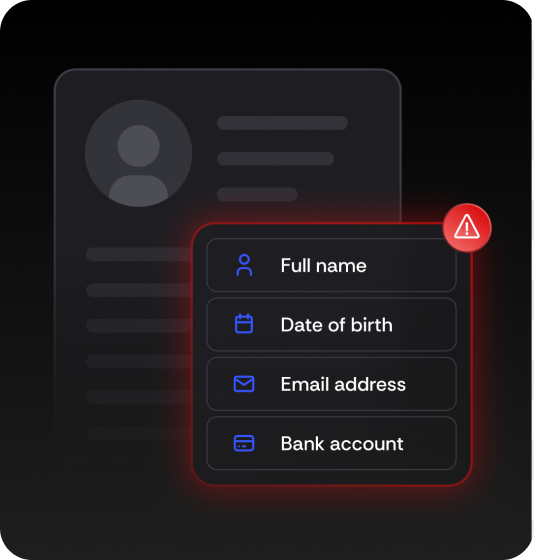
Personal details
Who you are
Your full name—the thread brokers use to stitch scattered records into one searchable profile.
Contact info
How to reach you
Phone numbers publicly linked to your name—and in some cases email addresses.
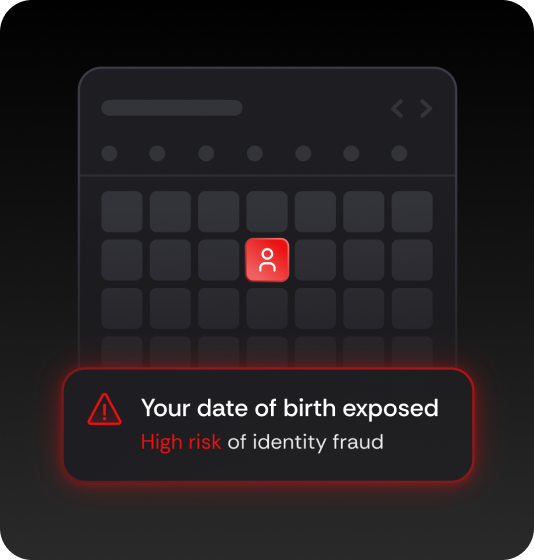
Personal details
When you were born
A date of birth is one of the most exploited identifiers in financial fraud—and listed on sites that expose you.
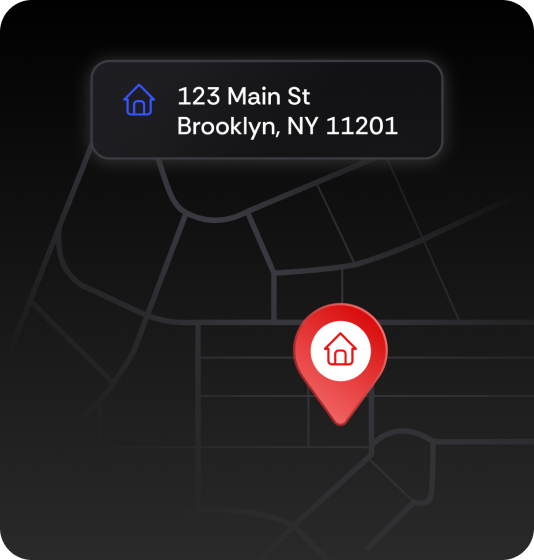
Location
Where you live
Home address you currently live at or have registered in your name, alongside people in your household.
Blocking doesn’t fix this. Removing your data does.
Blocking a scam call treats the symptom. Your data stays listed on hundreds of sites—ready to be found, sold, and used again.
What’s included:
- Removes your data from 420+ data broker sites
- Covers up to 3 of your emails, addresses & phone numbers
- Re-removes your data if it comes back
- Scans for your exposed data and removes it, on request
- Live phone support



People who've already protected themselves
Rated 4.4 out of 5 stars, Incogni strives to provide an industry-leading customer experience and lasting results for their privacy.
30-day money-back guarantee on all Incogni plans
If we don’t meet your expectations, contact our 24/7 Customer Support team within 30 days of signing up, and we’ll refund the full amount paid.
Try Incogni Risk-FreeNeed more information?
A digital footprint is the trail of data you leave online—both active (posts and emails) and passive (cookies and public records). It includes broker listings, social media, browsing history, apps, Chrome browser extensions, search results and more. See the full breakdown of digital footprint types.
Practically anyone. Much of your footprint is public—search engines, social media platforms, and people-search sites are available to anyone. Recruiters, insurers, marketers, scammers, and data brokers routinely check it, often without you knowing. Learn what makes a footprint public vs private.
What's findable depends on the source: search engines and social media expose your active footprint and public data broker sites compile your records into a profile. Private databases and most passive tracking data can’t be easily accessed. See what's actually exposed and how to check it yourself.
Yes, to an extent. Even without accessing everything about you, someone can connect old accounts, social media posts and data broker listings into a profile using the same techniques as OSINT (open-source intelligence) research. That's how bad actors know your info from public information alone.
No service can realistically discover your complete digital footprint. Our digital footprint checker focuses on personal data exposure on public sites, people-search sites, and other platforms, identifying potential matches to your most sensitive data.
The scan will identify if your personal information is listed by public-database data brokers, as their databases are publicly accessible and searchable. Private-database data brokers may also hold your information, but their databases aren't publicly accessible, making it impossible to check.
Yes. Our scanner will check if your data is exposed online. US citizens might find this scanner more valuable as public-database data brokers actively expose data in the US. If you're an EU resident, your data is protected by stricter privacy laws (the GDPR), but that doesn’t mean your data isn’t exposed.
An unmanaged digital footprint creates far-reaching risks across multiple areas of life. Financially, it can lead to hiring discrimination as employers screen candidates online, insurance rate adjustments based on your personal data, or unfavorable credit decisions influenced by personal activity.
Both collect, sell, and trade personal data. Public-database brokers (e.g., people-search sites like BeenVerified) publish it online. Private-database brokers keep closed databases, selling bulk data to businesses for marketing, risk, or background checks.
Incogni will continuously send removal requests to private- and public-database data brokers on your behalf. Incogni resends removal requests every 60 days for public databases and every 90 days for private ones, unless your data is already on their suppression list, as verified by Deloitte.
Yes, you can opt out of public- and private-database data brokers on your own. We've even created opt-out guides to help you through the process. But opt-out procedures are time-consuming and sometimes hard to find. Data brokers usually re-list your information, even after you requested its removal.
How to remove your personal info from Google — How to request removal of search results.
How custom removals work — What Incogni's custom removals are and how they can delete unwanted content.
How to delete yourself and disappear from the internet completely — Steps to achieving online anonymity.
If you have any more questions, please check out our FAQ or reach out to our dedicated support team.